Evaluating the African Tribal Mask 3D Layered Cut File for Modern Crafting Projects
For crafters and digital fabrication enthusiasts, the intersection of historical artistry and modern technology offers a compelling avenue for creativity. The African Tribal Mask 3D Layered Cut File represents a specific category of digital assets designed to bridge this gap. Unlike standard two-dimensional silhouettes, these files are engineered to create depth, texture, and shadow through a process known as layering or paper engineering. When considering whether this specific design format is the right choice for your next project, it is essential to understand not just what the file contains, but how it compares to other crafting approaches and where it fits within the broader landscape of DIY decor and cultural appreciation.
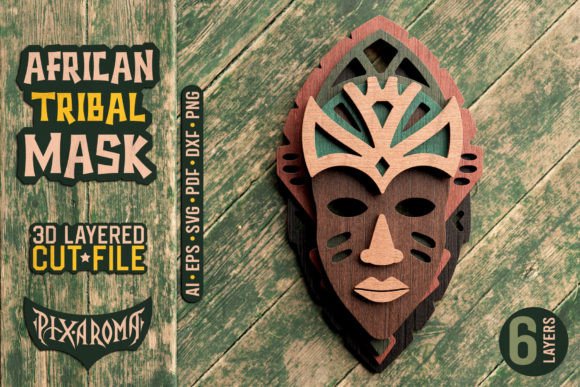
Tribal masks have been an integral part of human civilization for millennia, serving as vessels for storytelling, spiritual connection, and social identity across various African cultures. Translating these complex forms into a digital cut file requires a nuanced approach. A high-quality African Tribal Mask 3D Layered Cut File typically breaks down the intricate details of a traditional mask into separate, stackable components. This allows the creator to build a physical object that mimics the carved relief of wood or the textured surface of natural fibers using materials like cardstock, vinyl, or thin wood sheets. The distinction here lies in the dimensionality; while a standard SVG might give you a flat shape to color, a layered file provides the architecture for a sculpture.
Comparing Layered Designs to Flat and Hand-Carved Alternatives
When evaluating resources for mask creation, creators generally face three primary paths: hand-carving from raw materials, utilizing flat 2D cut files, or employing 3D layered digital designs. Each method has distinct tradeoffs regarding time, skill requirement, and final aesthetic.
Hand-carving remains the most authentic method, offering unparalleled texture and the ability to manipulate grain and density. However, it requires specialized tools, significant safety precautions, and a high level of artistic skill. For many hobbyists or those looking to produce multiple items for events, this approach may be impractical. On the other end of the spectrum are flat 2D cut files. These are excellent for quick decals, simple stencils, or appliqué work. They are easy to weed and apply but lack the visual weight and presence of a three-dimensional object. They often appear "stamped" rather than crafted.
The African Tribal Mask 3D Layered Cut File occupies a strategic middle ground. It offers the visual complexity of carving without the need for chisels or gouges. By stacking layers—often ranging from a base layer to six or more detailed overlays—the creator achieves shadows and highlights that change depending on the viewing angle. This makes the layered approach particularly suitable for wall decor where lighting plays a role in the presentation. Compared to buying a mass-produced plastic replica, a layered project allows for customization of materials and colors, giving the maker agency over the final "personality" of the piece, whether it represents a warrior, a spirit, or a stylized modern interpretation.
Technical Specifications and File Versatility
A critical factor in choosing a digital asset is its compatibility with your existing hardware and software workflow. A robust African Tribal Mask 3D Layered Cut File package should not be limited to a single format. Professional-grade downloads typically include a comprehensive suite of vector and raster files to accommodate different machines and skill levels.
Vector files such as AI, EPS, SVG, and PDF are essential for users of electronic cutting machines like Cricut, Silhouette, or laser cutters. These formats ensure that lines remain crisp regardless of scaling. Within these vector packages, the distinction between "stacked" and "spread" layers is vital. Stacked layers show the final assembled look, which is helpful for visualization, while spread layers separate each component onto individual artboards or pages, ready for immediate cutting. This separation saves the user significant time in post-processing the design.
Furthermore, the inclusion of DXF files is crucial for users working with older software versions or specific CAD programs that do not natively support SVG. For those who prefer engraving or printing rather than cutting, high-resolution raster files (JPG and PNG) allow for sublimation or direct printing onto substrates. Some advanced packages even include a single-layer version optimized strictly for engraving, providing flexibility if the user decides against the 3D assembly for a particular project. This versatility ensures that the file remains useful even if the creator's equipment or project goals change mid-process.
Material Selection and Assembly Considerations
The success of a 3D layered project relies heavily on material selection. While the digital file provides the geometry, the physical medium defines the texture. Cardstock is the most common choice due to its ease of cutting and availability in diverse colors. However, experienced makers often experiment with alternative materials to enhance the tribal aesthetic. Thin basswood sheets can be used with laser cutters to mimic traditional wood carving, while metallic vinyls can introduce a contemporary, ceremonial feel.
Assembly is where the theoretical design becomes a tangible object. A well-documented download should include a quick assembly guide and ideas for color combinations. Without guidance, aligning six distinct layers can be frustrating, leading to skewed features or lost details. The use of foam adhesive tabs between layers is a standard technique to create consistent spacing and deep shadows. This step transforms the flat cuts into a relief sculpture. It is important to note that while the file provides the shapes, the creator must supply the adhesives and tools. The "one-of-a-kind" nature of the final product comes from these manual decisions—how much spacing to use, which contrasting colors to select for the eyes or teeth, and how to finish the edges.
Licensing and Commercial Viability
For those exploring crafting as a potential revenue stream, understanding the licensing terms of a digital download is paramount. Many African Tribal Mask 3D Layered Cut Files are sold with a license that permits the sale of the physical finished project. This means you can cut, assemble, and sell the mask at craft fairs or online marketplaces. However, this almost never extends to the digital file itself; reselling or sharing the ZIP archive is typically prohibited.
This distinction is crucial for business planning. If your goal is to sell digital assets, this type of purchase will not suffice. Conversely, if you run a small boutique selling home decor, these files offer a low-overhead way to expand your inventory without needing to sculpt original designs from scratch. The ability to produce multiple units quickly using a cutting machine gives layered files an advantage over hand-carved items in a commercial setting, where consistency and speed are often required.
Decision Factors: Is This the Right Resource for You?
Determining whether to invest in an African Tribal Mask 3D Layered Cut File depends on your specific goals and constraints. This resource is likely the optimal choice if:
- You own a digital cutting machine or laser cutter and want to maximize its utility beyond simple stickers.
- You desire a decorative piece with significant visual depth but lack the carving tools or skills for woodwork.
- You are looking for a customizable project that allows for personal interpretation of color and material.
- You intend to sell physical handmade goods and need a reliable, repeatable design source.
However, this may not be the best fit if you are seeking a purely educational tool on African history without the crafting component, as the focus here is on fabrication. Similarly, if you require a massive, architectural-scale installation, the limitations of sheet materials (like the maximum width of a cutting mat) might make a layered paper approach less feasible than foam board construction or 3D printing.
Ultimately, the value of these files lies in their ability to democratize complex design. They allow individuals to engage with the rich visual language of African tribal art through a modern, accessible medium. By providing the structural blueprint, the designer empowers the user to focus on the creative aspects of materiality and assembly. Whether used as a thoughtful gift, a statement piece for home decoration, or a product for a small business, the layered approach offers a balanced blend of tradition and technology.
Before downloading, always verify the file formats match your software capabilities and review the included guides to ensure you are prepared for the assembly process. With the right preparation and material choices, a digital download can transform into a striking physical artifact that honors the legacy of tribal mask-making while showcasing your own crafting proficiency.