Evaluating the Dragonfly 3D Papercraft for Modern Wall Decor and Event Design
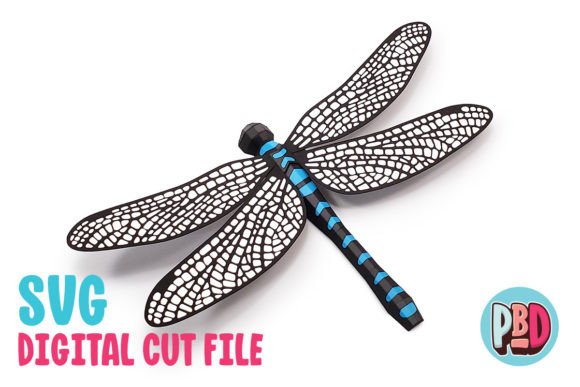
When curating interior spaces or planning thematic events, the choice between mass-produced decorations and handmade artisanal pieces often defines the atmosphere of a room. The Dragonfly 3D Papercraft represents a specific intersection of digital precision and tactile craftsmanship. Unlike flat wall decals or generic plastic ornaments, this medium offers depth, texture, and a customizable finish that resonates with adults seeking unique decor solutions. This particular design, measuring 16 inches in width, 10 inches in height, and extending 2 inches from the wall, is engineered to hang from a simple nail, making it an accessible yet sophisticated option for bedroom accents, party backdrops, or seasonal displays.
Understanding the value of this papercraft requires looking beyond the final image to the construction process and material requirements. The design is intended for medium cardstock, a material choice that balances structural integrity with ease of manipulation. This distinguishes it from projects requiring heavy chipboard, which can be difficult to fold without scoring, or thin printer paper, which lacks the rigidity needed to hold a three-dimensional shape. By specifying medium cardstock, the creator ensures that the 2-inch depth is maintained consistently, allowing light and shadow to play across the facets of the dragonfly's wings and body.
Comparing Digital Cut Files: SVG vs. DXF Formats
For those accustomed to using electronic cutting machines, the format of the digital file is often the primary decision factor. This Dragonfly 3D Papercraft download includes both SVG and DXF files, catering to different software ecosystems and user proficiency levels. However, not all file formats offer the same user experience, and understanding the tradeoffs is essential before beginning the project.
The SVG (Scalable Vector Graphics) file is generally the superior choice for most users. Compatible with Silhouette Designer Edition and above, as well as Cricut Design Space, SVG files retain clean vector paths that ensure smooth cuts and precise folding lines. When working with intricate designs like a dragonfly, where wing veins and body segments require accuracy, the cleanliness of the SVG format minimizes the risk of jagged edges or misaligned tabs. For users with access to these software platforms, the SVG route offers a streamlined workflow with faster processing times.
In contrast, the DXF (Drawing Exchange Format) file serves as a necessary alternative for users operating on Silhouette Basic Edition, which does not support SVG imports. While functional, the DXF format comes with notable limitations. Users often report that DXF files open more slowly within Silhouette Studio and may not render as cleanly as their SVG counterparts. To mitigate potential loading errors, specific preference settings must be adjusted within the software: navigating to Edit Preferences, selecting Import DXF, and changing the setting from "As-is" to "Centered." Failure to make this adjustment can result in alignment issues that complicate the cutting process. Consequently, while the DXF option provides accessibility for basic users, it introduces additional technical steps and potential friction points that the SVG format avoids.
Material Considerations and Construction Realities
The success of any 3D papercraft project hinges on material selection. The instruction set for this dragonfly explicitly calls for medium cardstock, a recommendation rooted in the physics of the design. Lighter weights may cause the structure to sag, failing to achieve the intended 2-inch projection from the wall. Conversely, heavier stocks might resist the tight folds required for the insect's anatomy, leading to cracked fibers or an uneven finish.
When comparing this approach to pre-assembled decor, the effort-to-reward ratio shifts significantly. Purchasing a ready-made wall hanging eliminates labor but limits customization. With the Dragonfly 3D Papercraft, the builder controls the color palette, paper texture, and finish. One might choose a metallic cardstock for a modern, reflective look suitable for evening events, or a matte, textured stock for a rustic bedroom aesthetic. This level of agency is a distinct advantage over off-the-shelf products, which often utilize generic glossy finishes that can appear cheap under close inspection.
However, prospective builders must acknowledge the time investment. The process involves extracting files from a ZIP archive, setting up the cutting machine, weeding excess material, and meticulously assembling the pieces. The included PDF instructions are vital, guiding the user through the layering process. For individuals with limited dexterity or those seeking an instant solution, this hands-on requirement may be a deterrent. Yet, for hobbyists who view the assembly process as a relaxing, meditative activity, this engagement adds value that a purchased item cannot replicate.
Ideal Use Cases and Spatial Dynamics
The dimensions of this design—16 inches wide by 10 inches tall—make it a substantial focal point without overwhelming a standard wall space. Its horizontal orientation suits areas above headboards, sofas, or console tables where landscape compositions are preferred. The 2-inch depth is particularly effective in rooms with dynamic lighting; as natural light shifts throughout the day or artificial lights dim in the evening, the 3D structure casts subtle shadows that enhance the visual interest of the piece.
In the context of event planning, such as weddings, baby showers, or themed parties, this papercraft offers a cost-effective method for creating high-impact visuals. Rather than renting expensive floral installations or purchasing disposable plastic decor, hosts can produce multiple units in varying colors to match a specific theme. The ability to scale production based on the number of guests or the size of the venue provides a flexibility that fixed-cost decor options lack. Furthermore, because the item hangs from a single nail, installation and removal are non-destructive, a crucial factor for renters or venues with strict decoration policies.
Limitations and Alternative Approaches
While the Dragonfly 3D Papercraft is a versatile option, it is not universally applicable. Outdoor usage is generally discouraged unless the paper is treated with sealants, as humidity and wind can compromise the structural integrity of cardstock. For permanent exterior installations, materials like metal, wood, or UV-resistant plastics remain superior choices despite their higher cost and reduced customizability.
Additionally, users without access to electronic cutting machines may find the barrier to entry too high. While it is theoretically possible to cut the shapes by hand using the PDF templates, the precision required for the interlocking tabs and delicate wing details makes manual cutting impractical for most. In such cases, individuals might consider simpler origami projects that require only folding, or they may opt to utilize local maker spaces or printing services that offer cutting capabilities.
Another consideration is the durability of the finished product compared to other mediums. Paper is inherently fragile; it can tear, fade, or accumulate dust over time. For high-traffic areas or homes with pets and young children, a more robust material might be necessary. However, the相对较低 cost of materials means that a damaged piece can be easily replaced, a benefit not afforded to expensive ceramic or glass art.
Making an Informed Decision
Choosing to undertake the Dragonfly 3D Papercraft project depends largely on what the creator values most: customization and engagement, or convenience and durability. If the goal is to create a personalized statement piece that reflects specific color preferences and adds a tactile dimension to a room, this project excels. The combination of SVG precision and the tangible satisfaction of assembling a 3D object offers a rewarding experience for crafters.
Conversely, if the priority is immediate installation with zero assembly time, or if the environment poses risks to paper-based items, alternative decor solutions should be explored. The technical requirements regarding file formats and software preferences also play a role; users comfortable with Silhouette Studio or Cricut Design Space will find the process seamless, whereas those unfamiliar with digital crafting tools may face a learning curve.
Ultimately, this dragonfly design serves as a bridge between digital design and physical art. It leverages modern technology to democratize the creation of complex 3D forms, allowing individuals to produce professional-looking decor with modest resources. By understanding the material needs, file format nuances, and spatial considerations, adults can effectively evaluate whether this papercraft aligns with their decorative goals and skill sets. Whether used to refresh a bedroom sanctuary or to elevate the ambiance of a special event, the project stands as a testament to the enduring appeal of handmade details in a mass-produced world.